
🚂 Scale Up Your Scenery: A Guide to HO Scale Model Buildings
If you’re diving into the captivating world of model railroading, you know the magic is in the details. While the trains are the stars of the show, it’s the surrounding environment—the hills, the trees, and, most importantly, the buildings—that bring your miniature world to life. And when it comes to standard modeling scales, HO scale (1:87) is the king!
Here’s everything you need to know about incorporating HO scale buildings into your layout.
What is HO Scale?
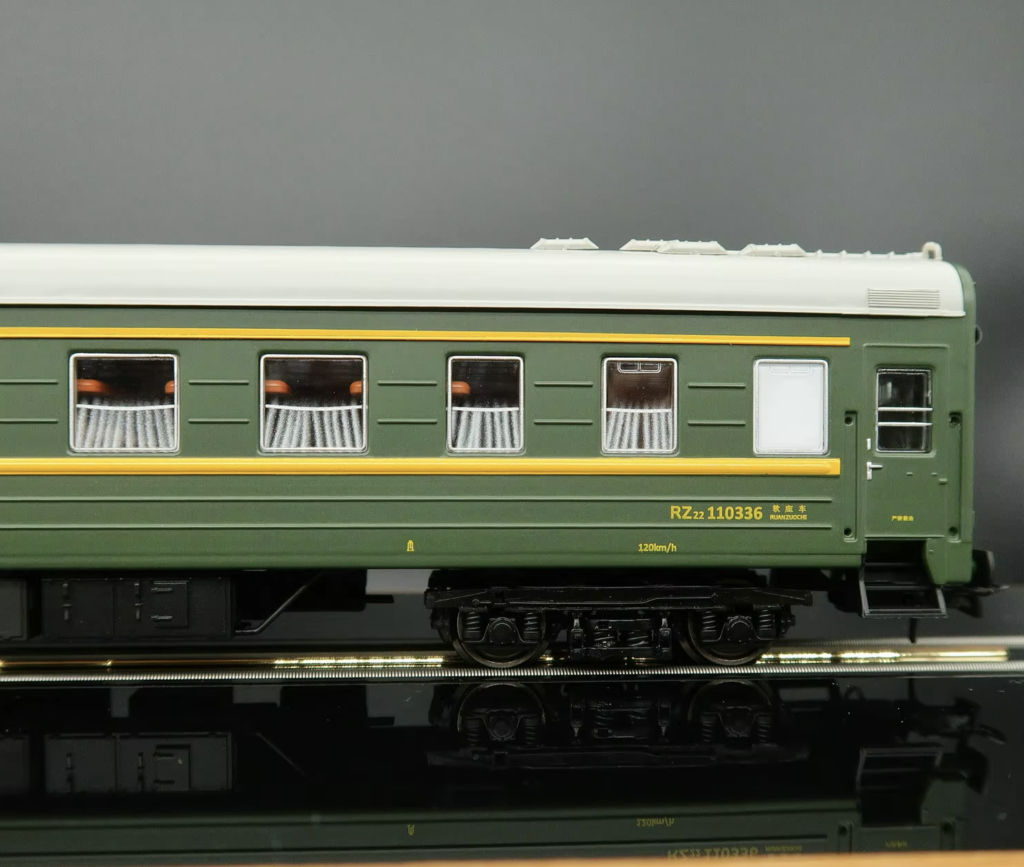
HO stands for “Half O” and represents a scale of 1:87. This means that every object on your layout is 1/87th the size of its real-world counterpart. For buildings, this results in structures that are large enough to offer intricate detail and a substantial presence on your layout, yet small enough that you can fit a diverse town, industry, or rural scene into a reasonable space.
Fun Fact: An average real-world person, roughly 6 feet tall, would stand about $0.83$ inches tall in HO scale!
🏡 Types of HO Scale Buildings
The variety of HO scale buildings available is staggering, allowing you to model virtually any era or location you can imagine.
1. Kits
Kits are the most common and versatile option. They come as a collection of pre-molded plastic or laser-cut wood pieces that you assemble, glue, and paint yourself.
- Plastic Kits (Styrene): These are the most beginner-friendly and affordable. They often feature excellent detail and are easy to modify (“kitbash”) to create unique structures.
- Laser-Cut Wood Kits: Highly prized for their realistic texture and often used for older structures like wooden depots, freight houses, and rural industries. They require more patience and skill to assemble but offer stunning results.
2. Ready-to-Place (RTP) or Assembled Models
For those who want instant gratification, RTP buildings come pre-assembled, painted, and often include weathering and installed lighting. While they typically cost more, they save significant time and effort. These are perfect for quickly filling out a new section of your layout.
3. Scratchbuilt
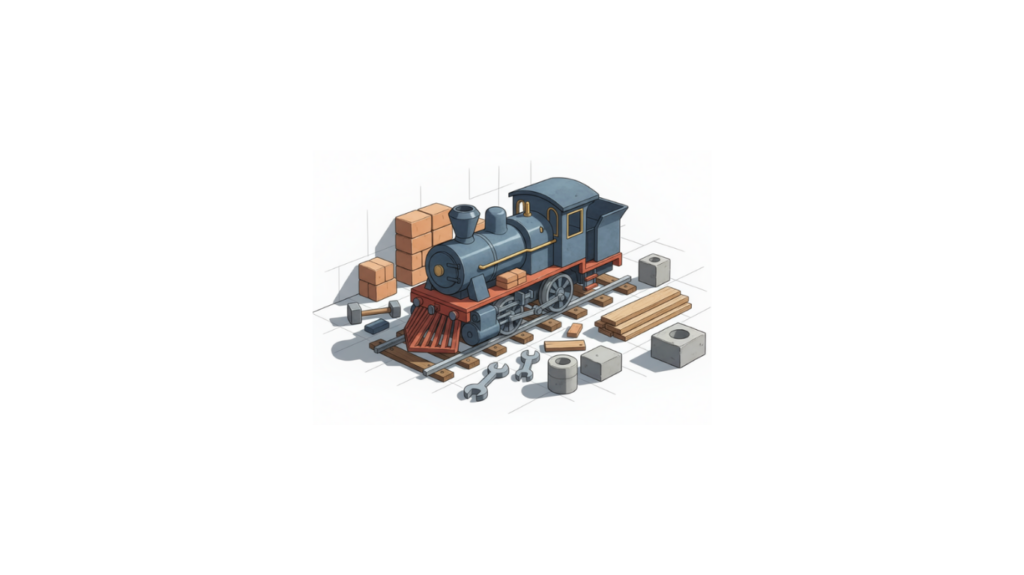
If you can’t find the specific structure you need—perhaps a replica of a local landmark—you can build it from raw materials like styrene sheets, wood, cardboard, and various detail parts. This is a challenging but incredibly rewarding aspect of the hobby.
Trains and Railway models HO
Category Description: Railway Models & Trains in HO Scale
Step into the world of precision modeling with our collection of HO scale railway models and trains. Designed at a 1:87 scale, HO is the perfect balance of detail and size — ideal for hobbyists, collectors, and model railway builders. Explore a wide range of locomotives, carriages, wagons, tracks, and accessories from leading brands, all crafted for realistic operation and stunning visual appeal. Whether you’re expanding your existing layout or starting a new railway project, our HO scale models offer unmatched quality, smooth performance, and true-to-life detail to bring your miniature railway to life.
✨ Must-Have Details for Realism
A building is more than just four walls and a roof. Here are a few ways to add that extra layer of realism:
- Weathering: A brand-new looking building in an old industrial yard looks out of place. Use powders, washes, and airbrushing to simulate dirt, rust streaks, grime, and peeling paint. This is arguably the single best way to make a model look real.
- Interior Details: People often peek through the windows! Adding basic interior walls, floors, and a simple LED light can transform a flat façade into a believable space.
- Rooftop Clutter: Air conditioners, ventilation pipes, skylights, chimneys, and satellite dishes are often overlooked but are crucial for urban and industrial buildings.
- “People” and Scenics: No building is complete without context. Place figures (miniature people) interacting with the structure—a shop owner sweeping the sidewalk, a worker on a loading dock, or a group waiting at a train station.
💡 Building Placement and Scene Setting
Thoughtful placement is key to a believable layout.
- Follow a Prototype: Model your building placement after a real-world town or industry. Place the depot next to the tracks, the stores on a main street, and industries near a spur line.
- Forced Perspective: In the background of your layout, use flatter, low-relief structures (the front façade only) to give the illusion of a larger city that stretches off into the distance.
- Mix and Match: Use a variety of building types, colors, and ages. A town composed of identical structures looks artificial.